

Let’s be real. “Decentralized Free Resource Village” sounds like something a grad student made up after too much coffee and a semester of political theory. But stick with us, because the concept is actually pretty simple, and is exactly what our community has been missing.
Let’s Break It Down Word by Word
Free. As in, it costs you nothing. No admission, no registration, no “suggested donation” that’s really just guilt in an envelope. You show up, you get stuff, you leave. That’s it.
Resource. Things people actually need. Supplies, skills, information, connections, tools. The stuff that makes day-to-day life easier and more sustainable. Not a lecture. Not a pamphlet. Actual, tangible, useful things. But also: the weird ceramic owl your aunt left you, a box of cassette tapes, someone’s grandfather’s entire key collection from locks that no longer exist anywhere on earth. Happiness is a legitimate human need, and if your junk brings someone else joy, that’s not clutter. That’s community wealth redistribution, baby!
Village. Remember when communities used to actually take care of each other? Neighbors knew each other’s names, people shared what they had, and nobody had to google “food pantry near me” at 11pm in a panic? A village is just that. It’s a network of mutual support where everyone has something to offer and everyone has something to gain.
Decentralized. This is the spicy part. A decentralized model means there’s no single gatekeeper deciding who gets help, what kind of help is “legitimate,” or whether you’ve filled out the right form in triplicate. Instead of one big organization running the whole show, power and resources are distributed across the whole community. Multiple people bring things. Multiple people share skills. No single point of failure. No single person deciding you don’t qualify.
What It Actually Looks Like in Practice
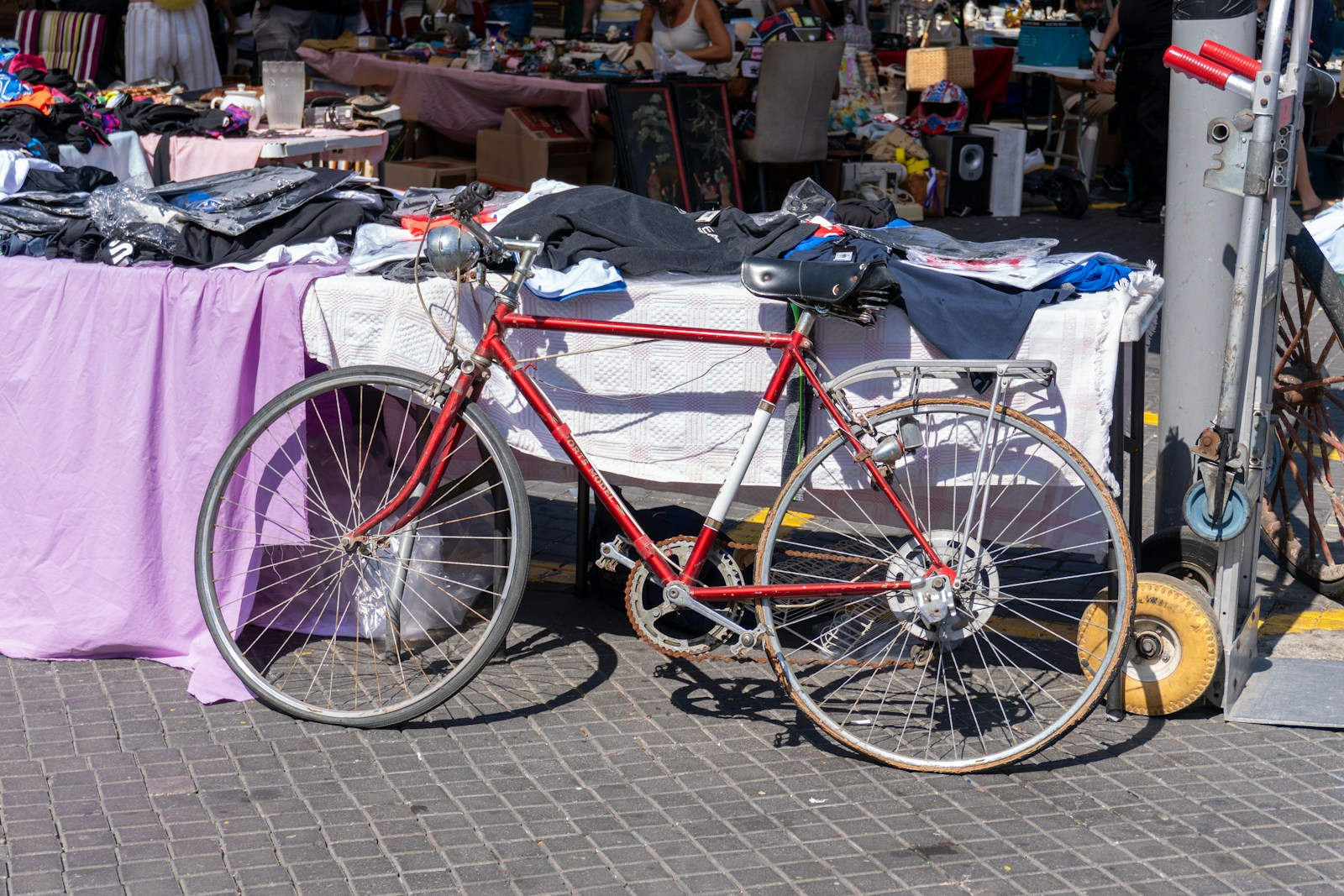
Picture a Sunday afternoon in a public space. There are tables set up, not booths with branded banners and liability waivers, just tables. One has children’s toys. One has household supplies. One has someone teaching how to start plants from seed. Another has a neighbor who fixes bikes. There’s a little free library made from a repurposed cabinet. Someone’s kid is making friendship bracelets and giving them away. A local herbalist is answering questions.
Nobody is in charge in the way you’re used to thinking about “in charge.” There’s no application process for receiving resources and no credential check for sharing them. The assumption baked into the whole thing is that people in a community know what they need and know what they have to offer. AND that given the right space, we’ll figure it out together.
That’s a decentralized free resource village.
Why Does the “Decentralized” Part Matter?
Traditional aid and resource distribution, as well-intentioned as it often is, comes with strings. Income verification. Proof of address. Referrals. Waitlists. Hours of operation that assume you have a flexible schedule and reliable transportation. These barriers exist for bureaucratic and liability reasons, but they consistently keep resources away from the people who need them most.
Decentralization removes the middleman. When a community collectively decides that resources should flow freely among neighbors without gatekeeping, we get something that’s faster, more responsive, more dignified, and honestly way more effective than a lot of formal systems. People aren’t charity cases, they’re community members participating in an exchange that just happens to not involve money.
It also means the whole thing doesn’t collapse if one person or one organization has a bad month. The resilience is built in, because it’s spread out.
Who Runs It?
Everyone. And no one, in the traditional sense. A decentralized model is maintained by the community that shows up for it. Organizers might handle logistics like picking a location (Sundays at 2pm! Corner of MLK and Main St), spreading the word, making sure people know it’s happening but the actual content of the village is created by participants.
You bring what you can. You take what you need. You show up again next week because it worked.
The organizing principle isn’t authority. It’s trust. Trust that your neighbors have something valuable to offer. Trust that asking for help isn’t weakness. Trust that a community that practices mutual support builds something more durable than any single program or organization ever could.
Why Now?
Because people are struggling in ways that formal systems aren’t keeping up with. Because community trust has taken a beating. Because isolation is at an all-time high while cost of living follows close behind. Because the most effective safety net has always been the one made of actual humans who give a damn about each other.
A decentralized free resource village isn’t a radical new idea. It’s a very old one that we’re just choosing to make intentional again.
Come see what your neighbors have been holding onto, just waiting to share. Bring your own!
River City Rising hosts a free resource village every Sunday at MLK & Main Street in Evansville. No registration. No eligibility check. Just show up. Starting March 1st!
If you are bringing a table or skill, please put it on the calendar so the community can see who will be there and when.


